Tattoo ideas you can actually make your own.
Browse original concepts, then change them. Adjust the subject, the style and the weight until the idea stops belonging to a website and starts belonging to you.
Free to start. Your journal stays private until you choose to share it.
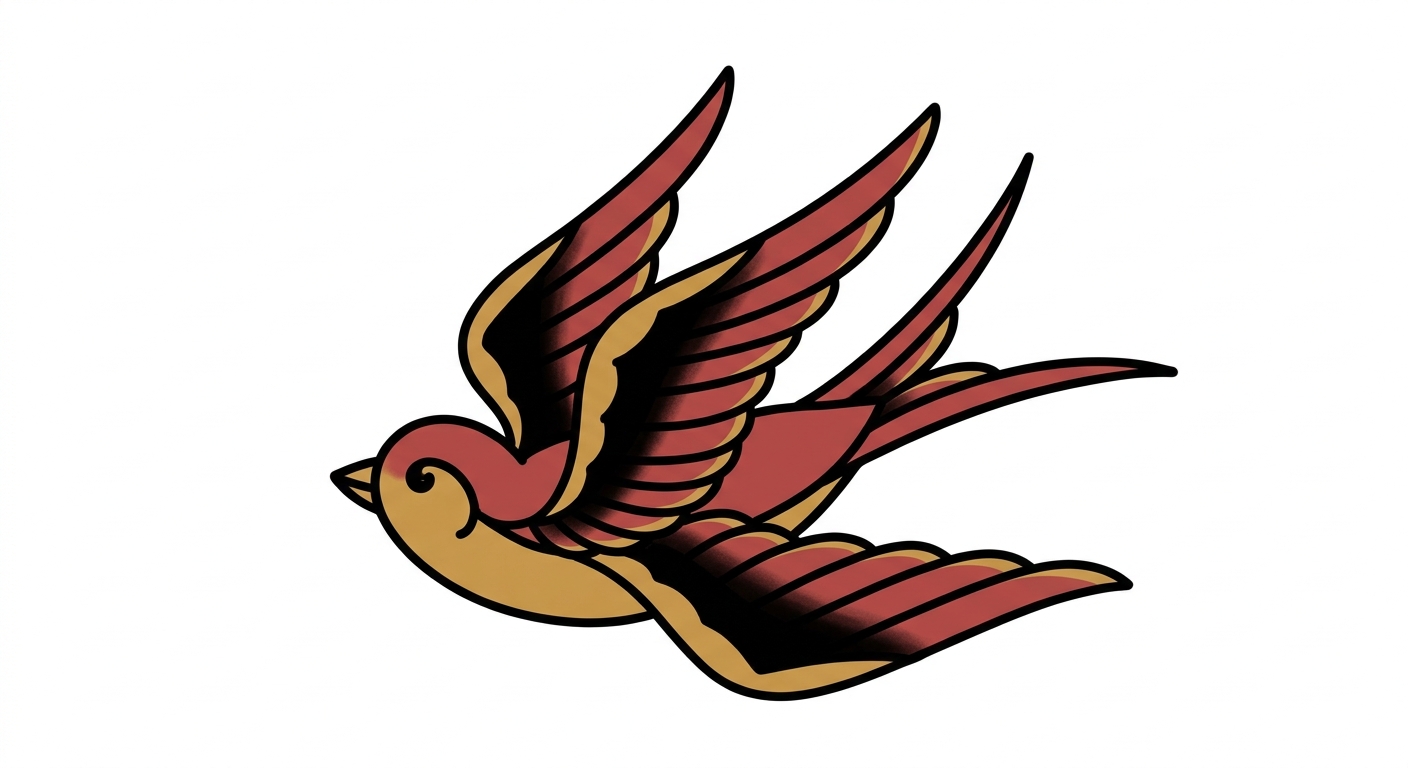
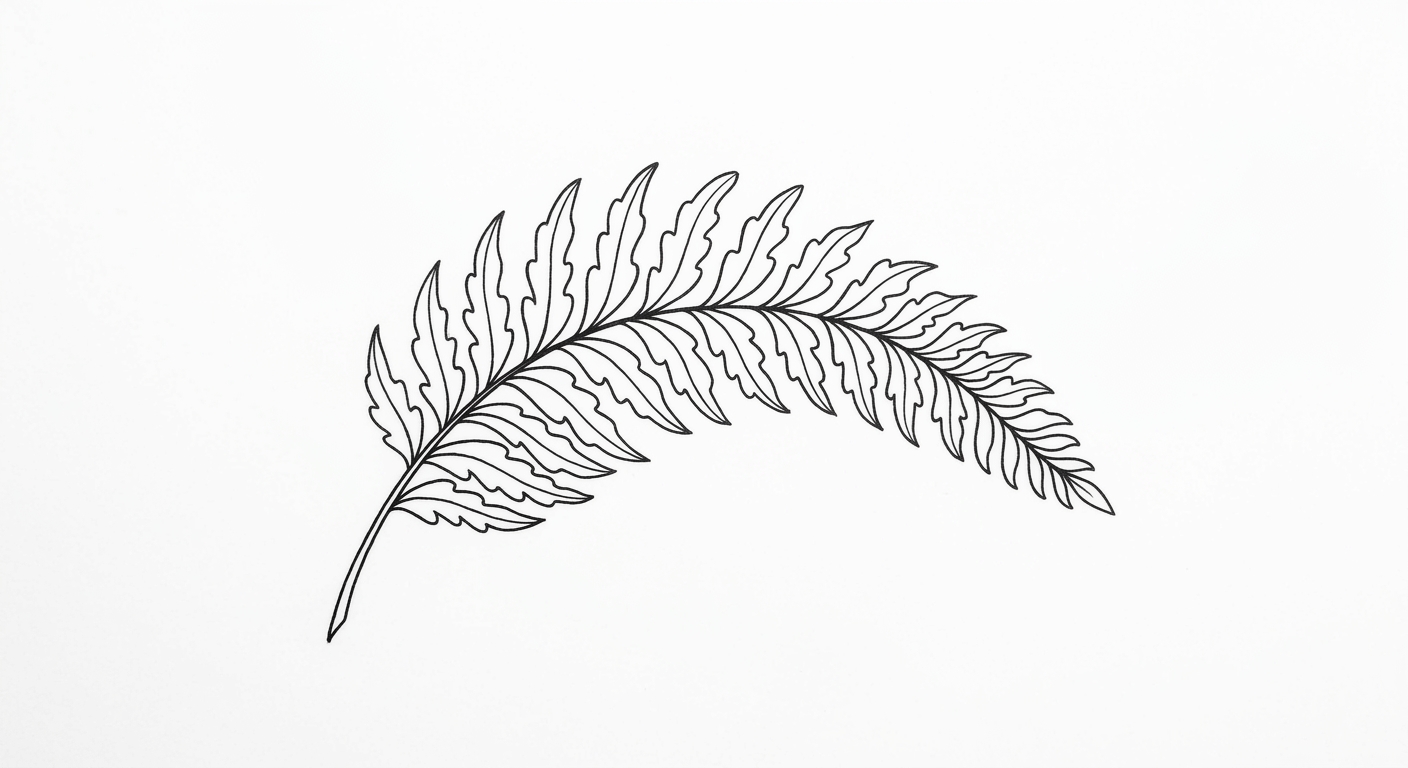
Start from one of these
All ideas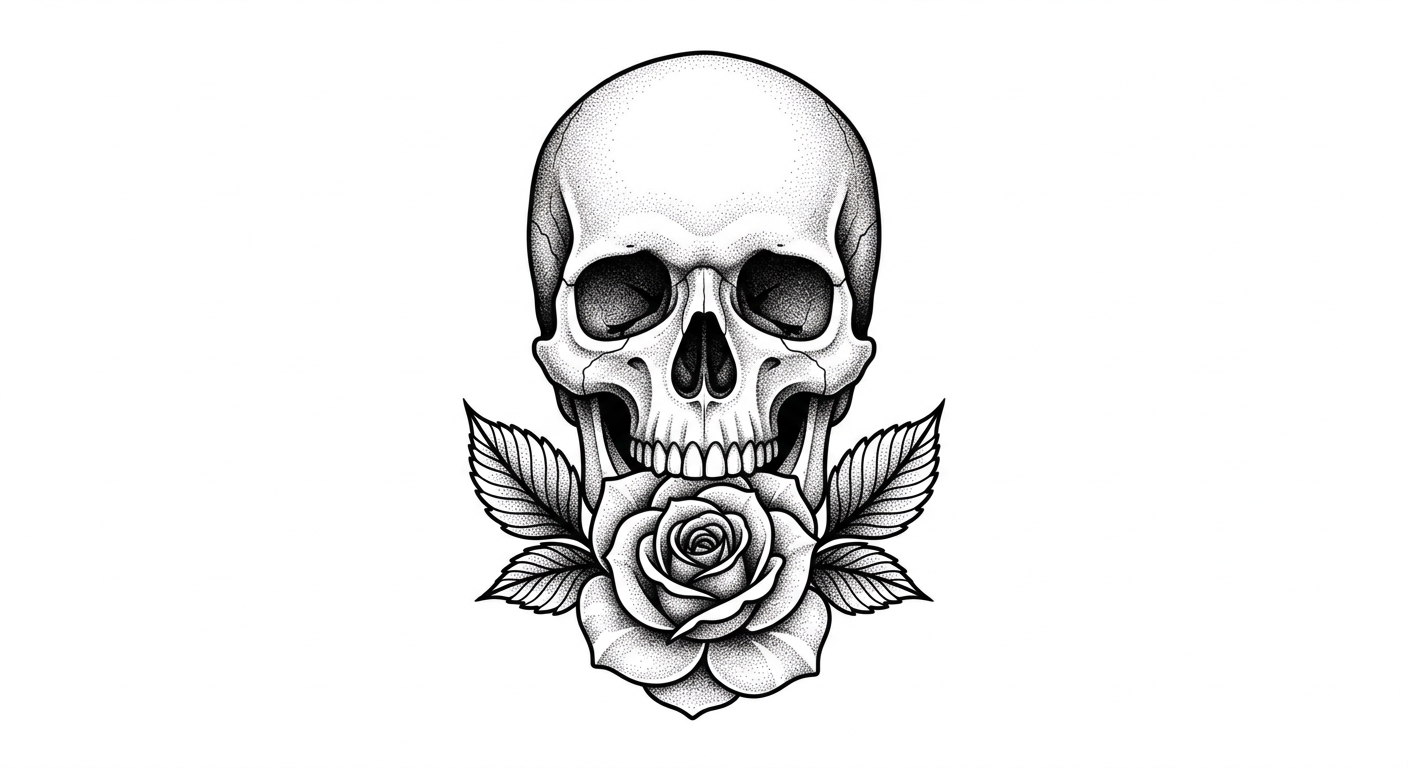
Turning an idea into your idea
- 1
Pick a starting point
Choose a concept that is close to the feeling you are chasing.
- 2
Change it
Swap the subject, soften the style, open up the composition.
- 3
Try a placement
Check the scale and orientation against where it would actually sit.
- 4
Take it to an artist
Share a brief that shows the idea and the reasoning behind it.
Questions people ask
Are these tattoo ideas free to use?
Yes. You can explore the concepts and customise them without paying. Your journal is private unless you choose to share it.
Can I change an idea rather than copying it?
That is the point. Every concept is a starting point you can adjust — subject, style, density and composition all change as you work.
How do I choose between several ideas?
Keep them side by side for a week or two. The one that still holds up after the novelty wears off is usually the right one.
Will a tattoo artist work from these?
Yes, and most prefer it. A clear visual reference plus the reasoning behind it is far more useful than a verbal description.
What size should a first tattoo be?
Most artists suggest something you can see easily and live with — often small to medium, somewhere you can cover if you want to. Placement matters more than size for how it ages.
How do I get a stencil from an idea?
Settle the design first, then use Free Stencil Maker to convert it into clean, printable line work for transfer.
Tattoo ideas are a starting point, not a shopping list
Scrolling endlessly through tattoo ideas has a failure mode: everything looks good and nothing feels like yours. The designs that last tend to come from a specific reason — a person, a place, a stretch of time you got through — rather than from a well-executed image you happened to scroll past.
So treat these as raw material. Take a concept that is roughly right, then push it somewhere specific. Change the flower, drop the banner, make the line work lighter, open up the negative space. The goal is not to find a finished design; it is to find the thing you keep returning to and then make it unmistakably yours.
When the idea has settled, the practical work begins: placement, scale and how it flows with the part of the body it sits on. That is your artist's territory, and they will do it far better with a clear reference in front of them than with a description and a hopeful gesture.
Find the one that nags at you
The right idea usually keeps coming back. Start with the one you cannot stop thinking about and shape it from there.