
Small tattoo ideas that still hold up in five years.
Small is harder than it looks. Explore simple, readable designs built to survive the way ink actually settles, then shape one into yours.
Free to start. Your journal stays private until you choose to share it.
Simple starting points
All ideas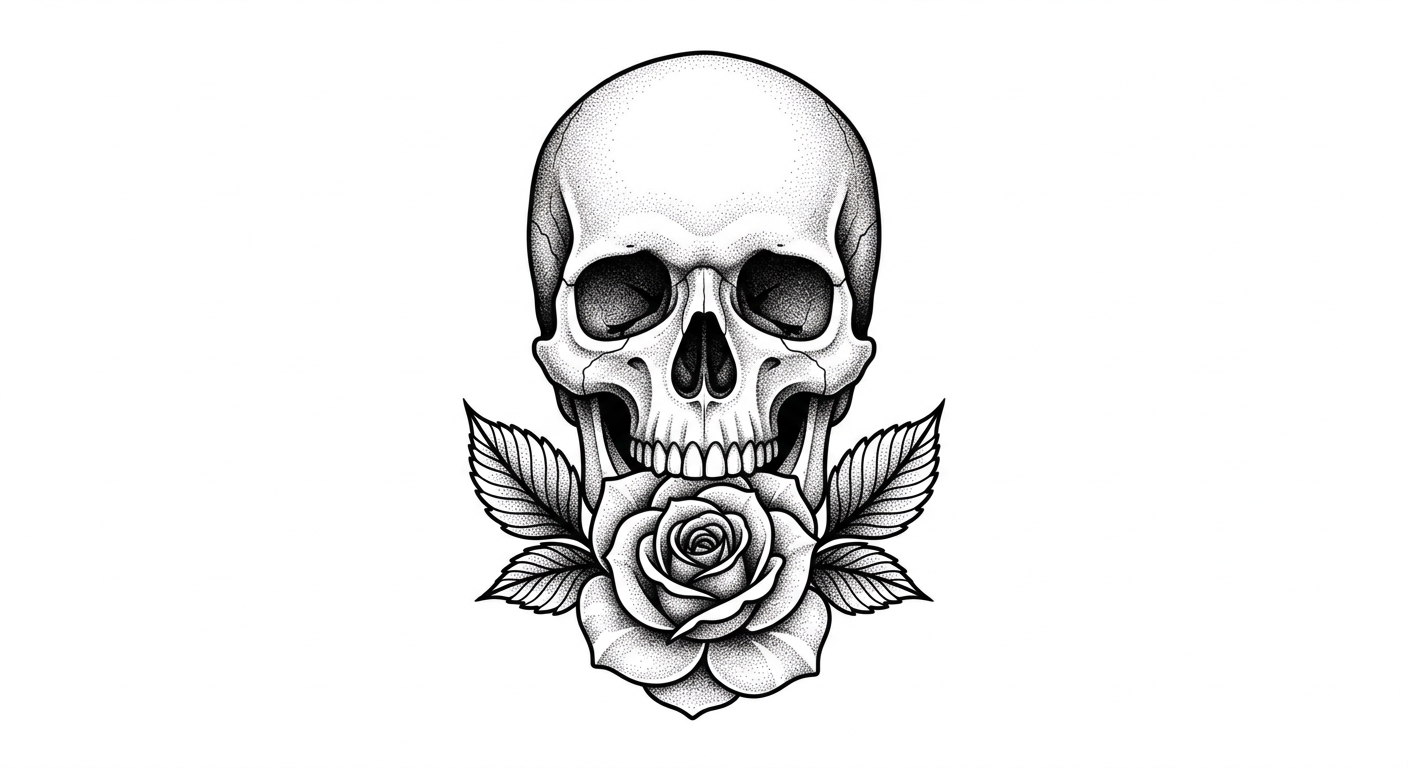
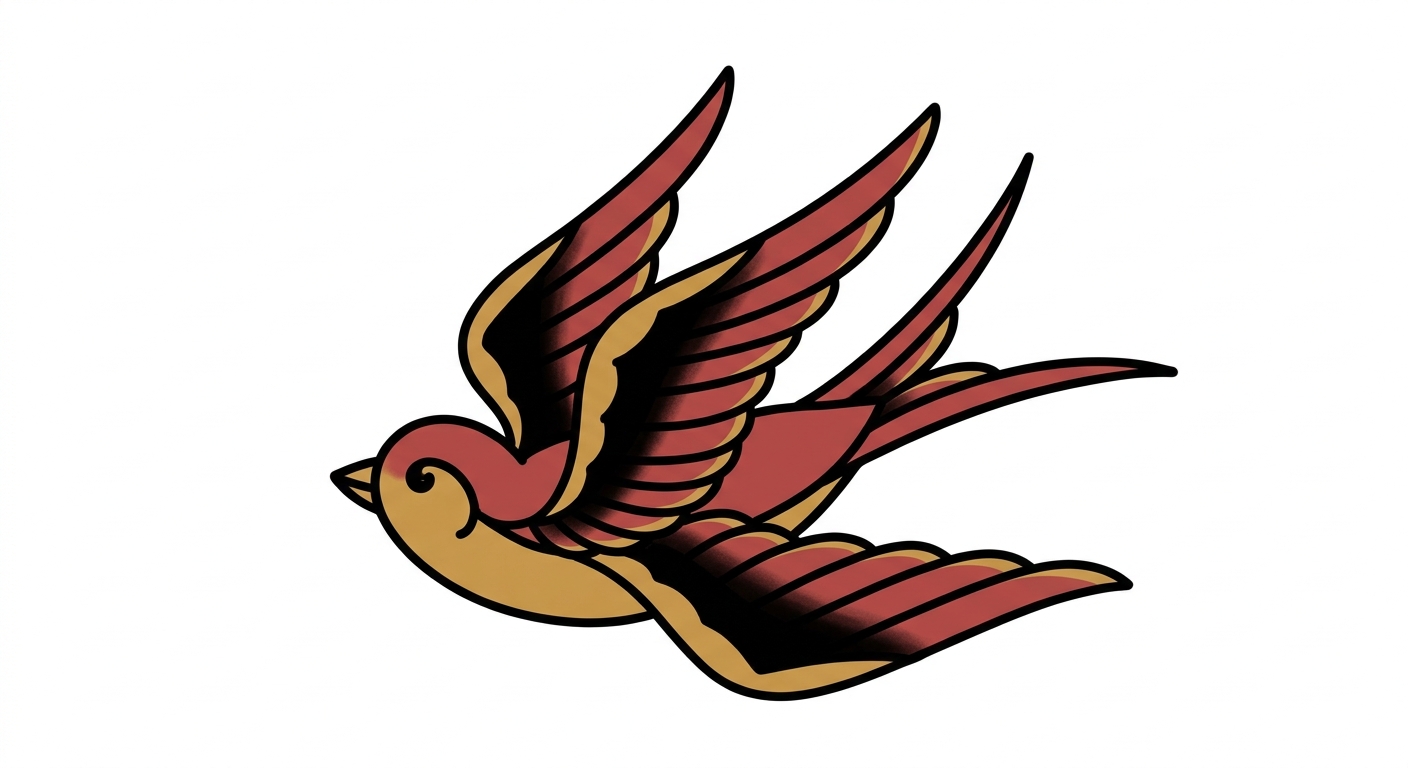
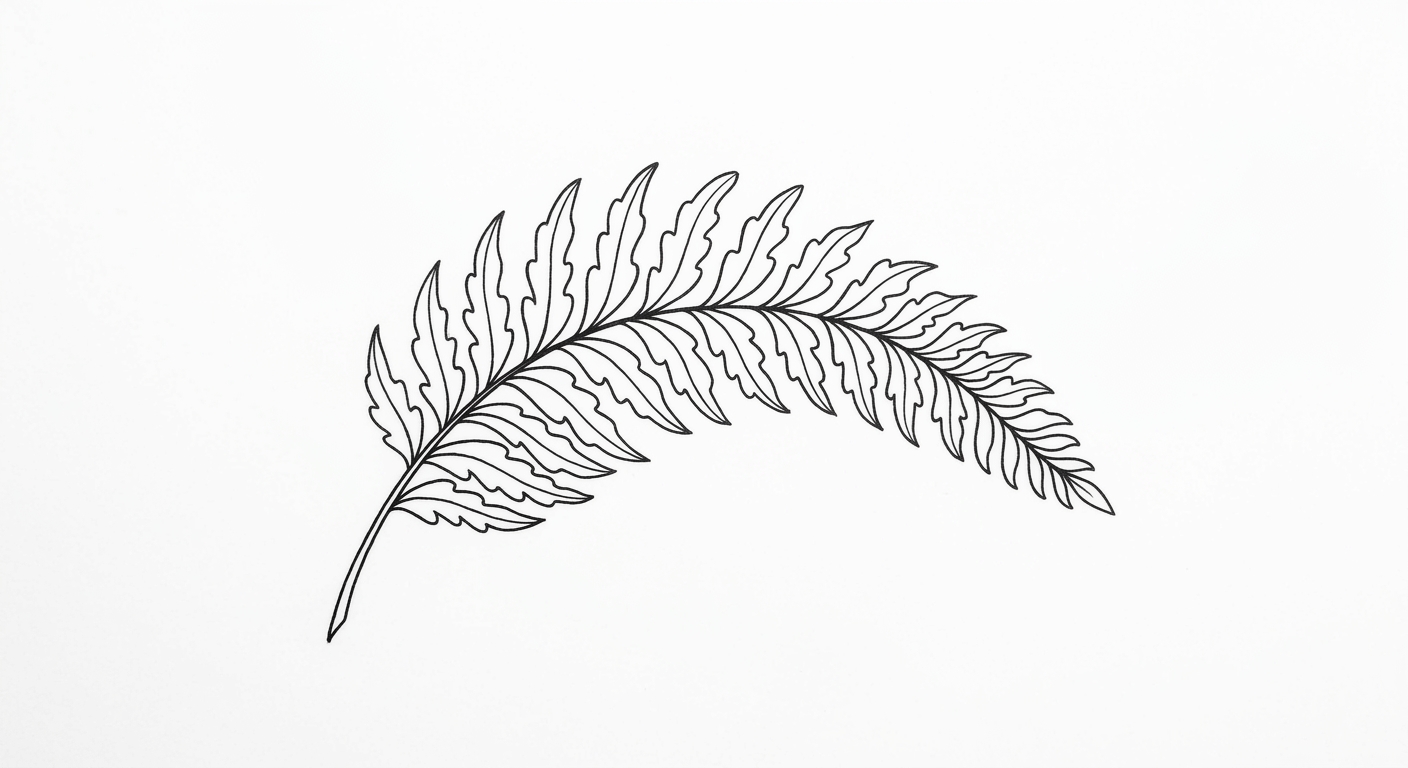
Designing small
- 1
Find the one idea
Small work holds a single idea well and two badly.
- 2
Strip the detail
Remove everything that will not survive at that size.
- 3
Check it small
Preview at true scale — detail closes up more than you expect.
- 4
Take it in
A clean reference matters even more on small work.
Questions people ask
Do small tattoos age badly?
They age less predictably than larger work, because ink spreads slightly over time and small gaps between lines can close. Simple designs with open space age far better than dense miniature detail.
What is a good first tattoo?
Something with one clear idea, in a placement you can cover if you want to, at a size where the detail can breathe. Inner forearm and upper arm are common and forgiving choices.
How small is too small?
If your artist says the detail will not hold, believe them. That judgement comes from seeing how their own work looked years later — something no preview can tell you.
Do small tattoos hurt less?
They take less time, which people often experience as easier. Placement affects pain far more than size — ribs and feet are sharp regardless of how small the piece is.
Where do small tattoos last longest?
Areas with less friction and sun exposure: inner forearm, upper arm, behind the shoulder. Hands, fingers and feet tend to need touch-ups soonest.
How do I make a stencil for a small tattoo?
Design it first, then use Free Stencil Maker to produce clean line work at exactly the size you want to transfer.
Small tattoos are a design problem, not a budget one
Small tattoos get recommended as the safe first choice, which is fair on cost and commitment but misleading on difficulty. Less space means less room for error: lines sit closer together, ink spreads slightly over the years, and detail that reads perfectly on a screen can close into a dark smudge on skin.
The designs that survive at small scale share a quality — they are one clear idea with a readable silhouette. A single flower, a shape, a short piece of lettering with room to breathe. What fails is a miniature version of a large design, where five elements compete for a space that comfortably holds one.
Placement matters as much as the drawing. Hands, fingers and feet see constant friction and sun, so small work there tends to need touching up sooner. Inner forearm, upper arm and the area behind the shoulder are kinder to fine work and keep it legible for longer.
Simple, but yours
The best small tattoos are usually one clear idea, executed cleanly. Start with the idea.