
Forearm tattoo ideas, drawn around you.
The forearm is the placement most people pick first, and for good reason. Explore designs built for that shape, then preview how they sit before you commit.
Free to start. Your journal stays private until you choose to share it.
Forearm concepts
All ideas
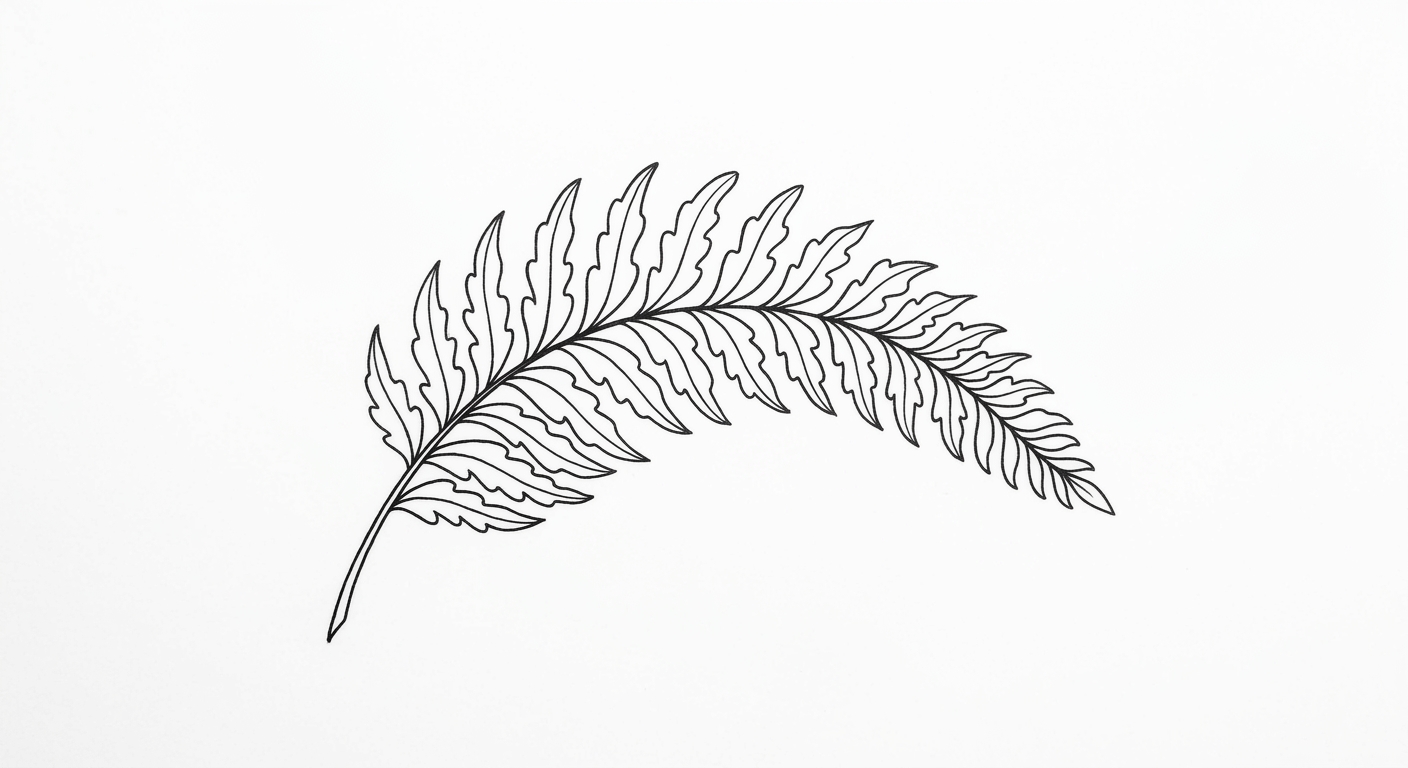
Designing for the forearm
- 1
Pick a direction
Decide roughly what the piece is about before worrying about style.
- 2
Shape it vertically
Forearm designs read best when the composition follows the limb.
- 3
Check the scale
Preview it at real size — forearm pieces are usually bigger than expected.
- 4
Brief your artist
Bring the design plus where the edges should fall.
Questions people ask
How much does a forearm tattoo hurt?
The outer forearm is generally one of the more tolerable placements. The inner forearm is softer and more sensitive, particularly near the elbow ditch and the wrist.
What size should a forearm tattoo be?
Most forearm pieces are larger than people first expect. Detail closes up as ink settles, so err bigger — preview it at real scale before deciding.
Inner or outer forearm?
Outer is more visible to others and catches more sun, so it fades a little faster. Inner is more personal, more sensitive to tattoo, and slightly better protected.
Do forearm tattoos age well?
Comparatively well. They see less friction than hands and feet. Sun exposure is the main ageing factor, so sunscreen matters more than most aftercare advice admits.
Should a forearm design run vertically?
Usually. Compositions that follow the limb stay readable as the arm moves. Wide horizontal designs tend to wrap and distort around the curve.
How do I get a stencil for a forearm piece?
Settle the design, then use Free Stencil Maker to convert it into clean line work sized correctly for transfer.
Why the forearm is the placement people choose first
The forearm is popular because it is visible when you want it to be and covered by a sleeve when you do not. It also takes ink well: flat enough to hold a clean composition, fleshy enough to be relatively comfortable, and it ages better than hands, fingers or feet, which see far more friction and sun.
Design-wise, the forearm rewards compositions that run with the limb rather than across it. Vertical pieces follow the arm naturally and stay readable when it moves; wide horizontal designs tend to wrap and distort. Inner forearm fades slightly slower than the outer, which catches more sun — worth knowing if fine detail matters to you.
The most common misjudgement is size. People pick something that looks right on a screen and discover it is far too small once it is on skin, where fine detail closes up as ink settles. Previewing the design at real scale on the placement solves most of that before money changes hands.
See it on the arm first
Scale is the thing people misjudge. Preview it at size before you book anything.